What a keloid is
A keloid is a raised, firm scar made of excess collagen. It forms after a wound heals, but the healing response does not switch off. The scar keeps growing for months or years and spreads beyond the edges of the original injury. It can itch, hurt or feel tender, and it rarely shrinks on its own.
A hypertrophic scar looks similar but stays within the wound borders and often softens and flattens within one to two years. The difference matters, because keloids return after treatment far more often and need a more thorough plan.
Who gets keloids
- People with a family history of keloids.
- Darker skin types.
- Ages 10 to 30, the peak period.
- Pregnancy and puberty, when existing keloids may grow.
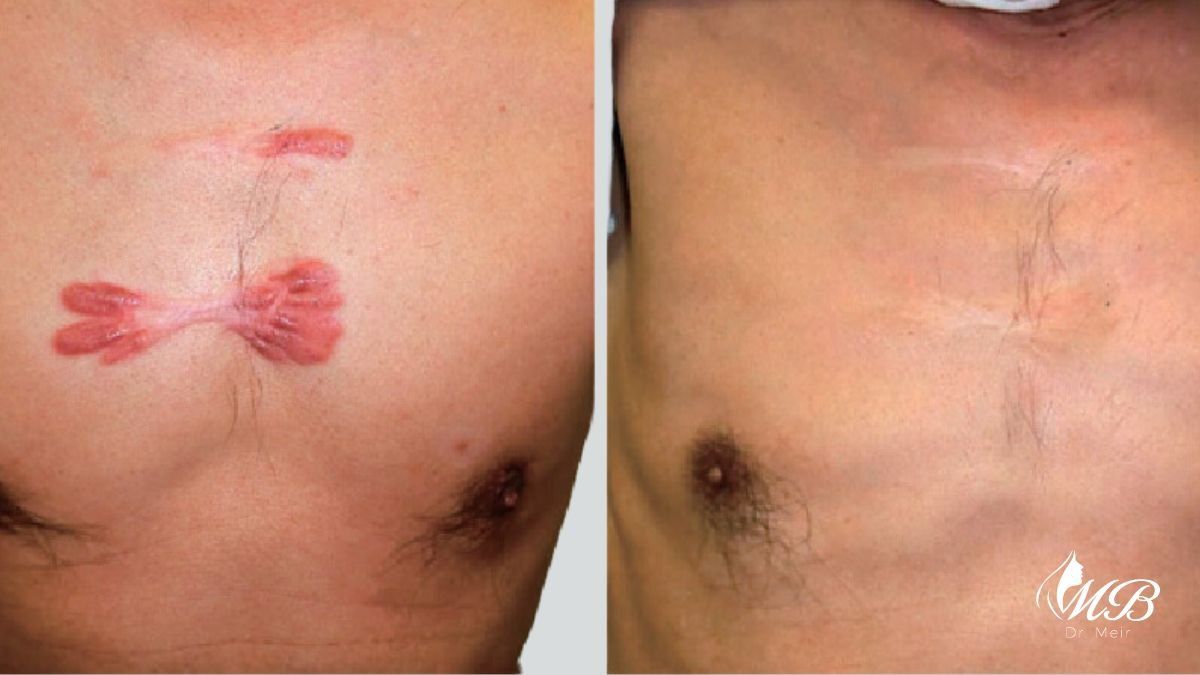
Keloids form most often on the earlobes after piercing, the chest, shoulders, upper back and jawline. They can start from surgery, acne, burns, vaccinations, tattoos or a small scratch. Chest and shoulder keloids are the most stubborn because skin there is under constant tension.
Treatment options
Steroid injections. Triamcinolone (Kenalog) injected into the scar reduces inflammation and slows collagen production. It flattens and softens the keloid and relieves itch and pain. Possible effects are thinning of the surrounding skin, lighter skin and small visible vessels, so the dose and spacing are set by the doctor.
5-fluorouracil (5-FU). A drug that slows the dividing scar cells. It is injected on its own or mixed with steroid, which tends to work better than either alone and reduces steroid side effects. It is not used in pregnancy.
Cryotherapy. Liquid nitrogen freezes the keloid, either from the surface or from inside through a needle probe. Freezing from inside causes less lightening of the surface skin and shrinks the volume.
Laser. Ablative laser removes or flattens the raised keloid tissue. Vascular laser, such as the Aerolase used at the clinic, reduces the blood supply that feeds the scar and fades its redness. Laser gives its result as part of a combination.
Pressure and silicone. Pressure garments, pressure earrings and silicone gel or sheets reduce growth, mainly in fresh scars and after removal. They need many hours a day over months.
Radiation. Low-dose radiotherapy within a day of surgical excision lowers recurrence considerably. It is delivered in a radiation oncology department and suits selected, resistant keloids.
Why excision alone comes back
Cutting a keloid out creates a new wound, and that wound triggers the same overgrowth again. After excision alone, keloids return in 50 to 80 percent of cases, often larger than before. Excision is therefore always combined with follow-up treatment: injections of steroid or 5-FU in the weeks after surgery, pressure, and in selected cases radiotherapy.
Note: the month after removal decides the outcome. Keloid tissue tends to regrow within about a month, so the follow-up visits in that window belong to the treatment itself.
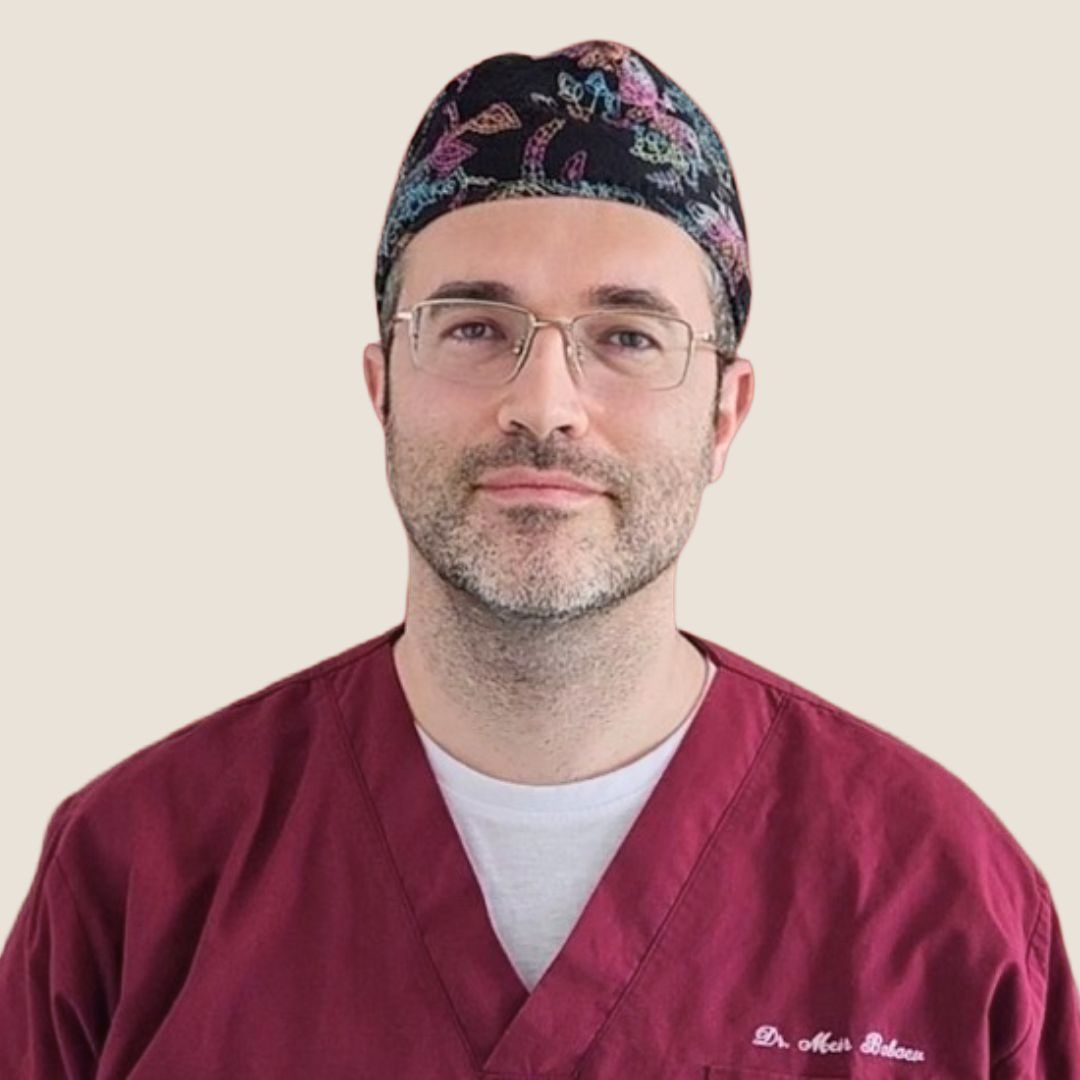
How Dr. Meir treats keloids
Dr. Meir treats keloids in combination. He removes or flattens the keloid with laser and injects steroid during the same session, then books two short visits of laser and injection at about two and four weeks. Those visits target the period when regrowth usually starts.
For multiple keloids, he numbs the area with a steroid and 5-FU mixture, freezes the keloid from inside with liquid nitrogen and adds the Aerolase Neo Elite laser, a 1064 nm laser with a very short pulse, to shrink the volume and the redness. The scar should look flatter by the end of the session. When it does not, the plan changes rather than repeating the same treatment again and again.
Many patients arrive after long series of injections or laser elsewhere with little change. In most cases treated at the clinic where the full protocol was completed, the keloid did not return. Medicine offers no certainty here, and the clinic does not promise that a keloid will not come back.
Keloids by location
- Earlobes: the most common site after piercing. Removal with injections and pressure earrings gives good control, and the ear should not be re-pierced at the same spot.
- Chest and shoulders: constant skin tension makes these the hardest to control. Plans here are more intensive and follow-up lasts longer.
- Face and jawline: steroid doses are kept lower to protect the thin skin, and silicone at night helps.
- Back and large areas: many keloids at once, often after acne. Treatment goes area by area, and acne itself needs control first so new keloids stop forming.
Recovery
After a session the clinic gives instructions for dressing and ointment care. Expect redness, swelling and some crusting for one to two weeks. Keep the area out of the sun and away from friction, and wear pressure or silicone as instructed.
Risks and side effects
- Lighter or darker skin at the treated site.
- Thinning of the skin or visible small vessels after steroid injections.
- Pain and tenderness for a few days.
- Infection, which is uncommon.
- Recurrence, the main long-term risk, highest on the chest, shoulders and upper back.
How to choose a treatment plan
The right plan depends on the keloid’s size, age and location, how many there are, what has been tried and whether you tend to form new ones. Old keloids can still be treated. If you form keloids easily, discuss any planned piercing, surgery or skin procedure in advance, so prevention can start at the time of the wound.
Consultations at the Holon clinic run in Hebrew, English and Russian. Book through WhatsApp at 053-566-2287.
Results from the clinic
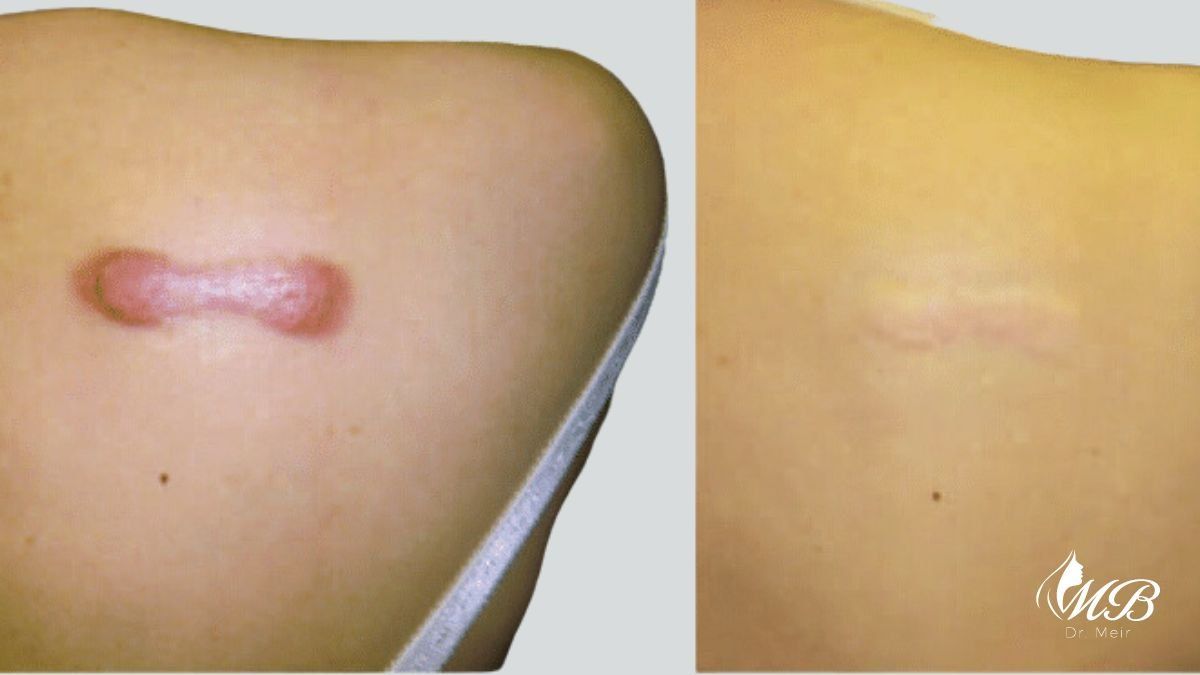
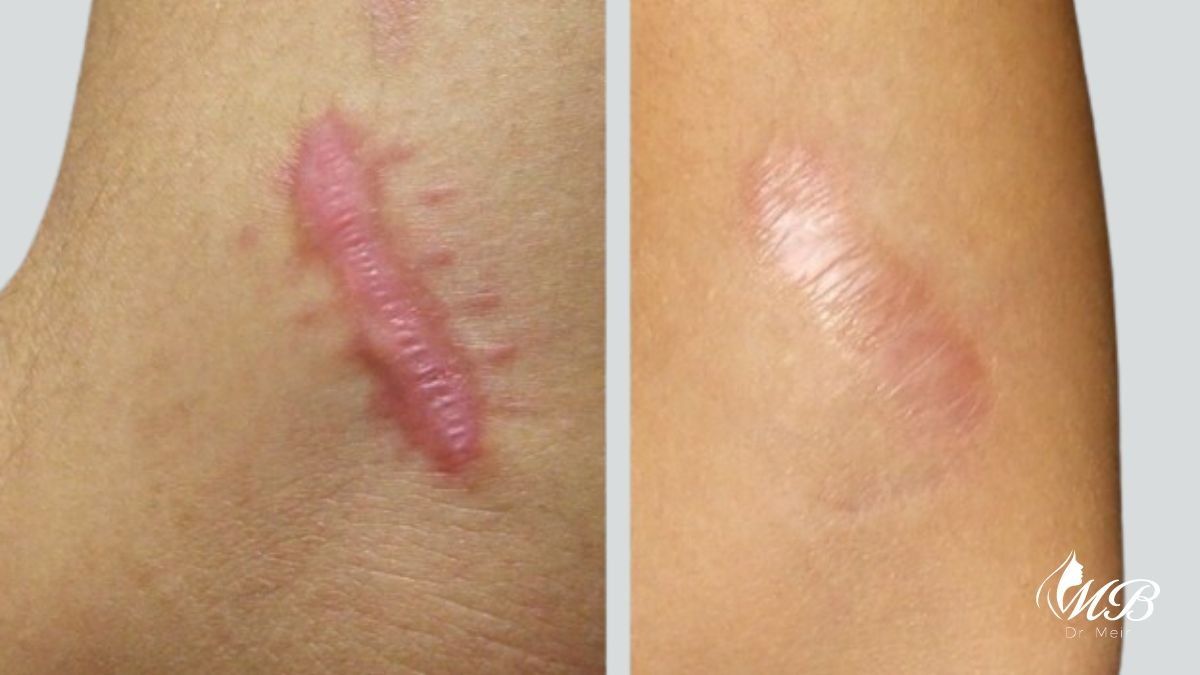
Individual results vary. Photos published with patient consent.
Questions
What is the difference between a keloid and a hypertrophic scar?
A hypertrophic scar stays within the wound borders and often flattens over a year or two. A keloid spreads beyond the borders, rarely shrinks on its own and returns more often after treatment.
Are steroid injections alone enough?
Injections shrink a keloid, but on their own the effect is often temporary. They work better as part of a combined plan with laser, cryotherapy and pressure.
How many treatments does a keloid need?
A single treatment does not exist for keloids. At the clinic the plan is a main session followed by short visits at about two and four weeks, with more if the scar is large or multiple.
How is an ear keloid treated after a piercing?
Removal or flattening, followed by injections and pressure earrings worn many hours a day for months. Earlobe keloids respond well to this combination.
Can a keloid come back after treatment?
Yes. The risk is highest in the first months after removal, which is why follow-up visits matter. No doctor can promise a keloid will never return.
Can I treat keloids during pregnancy?
Most injection treatments wait until after pregnancy, and 5-FU is not used. Silicone and pressure are safe options in the meantime.
Related
Sources: American Academy of Dermatology: Keloids diagnosis and treatment; DermNet: Keloid and hypertrophic scar