
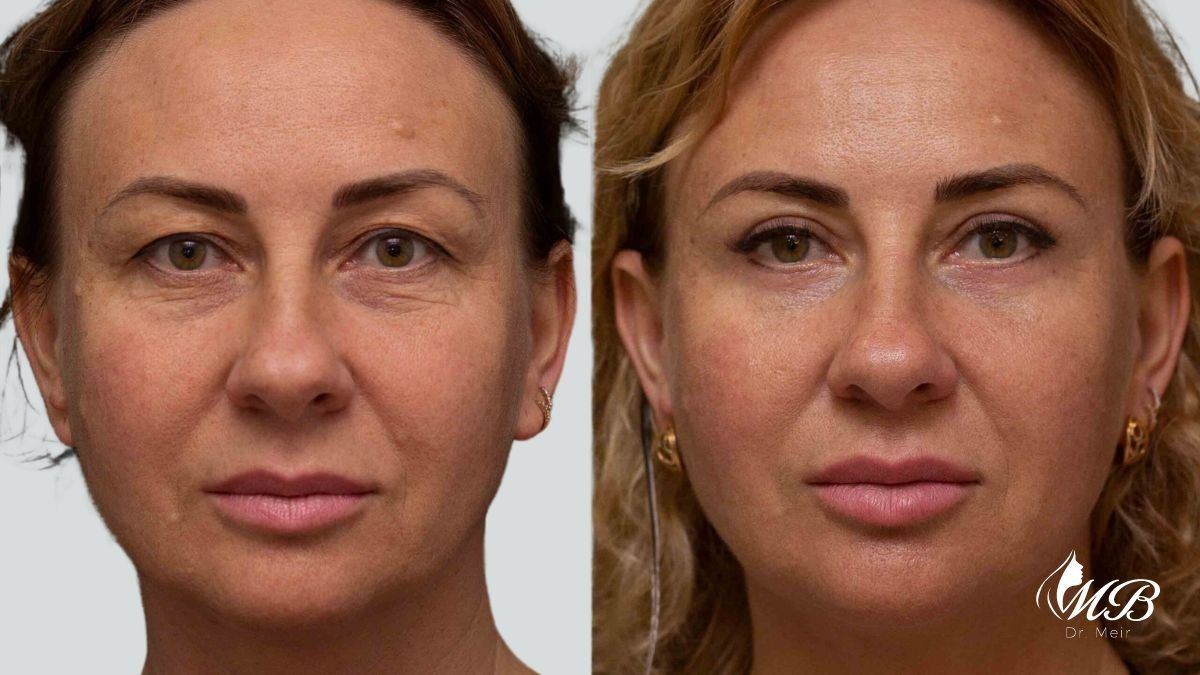
What a non-surgical eyelid lift can and cannot do
The skin of the eyelids is about 0.5 mm thick, the thinnest on the face. It moves thousands of times a day and has few oil glands, so it shows age early: a soft fold on the upper lid, fine crepey lines below the eye and crow’s feet at the outer corner.
A non-surgical eyelid lift tightens this skin. Controlled heat or a controlled injury makes the skin contract and produce new collagen over the following months. The result is a lid that looks lighter and smoother, with a few millimetres more visible lid space.
What it cannot do matters as much. Energy treatments do not shorten the muscle that lifts the eyelid, do not remove fat that bulges under the eye and do not cut away a large fold of skin. When those are the cause, Dr. Meir says so at the consultation and explains the surgical option.
Heavy upper lid: skin or muscle?
A heavy upper lid comes from one of two problems, and the treatment depends on which one you have.
- Dermatochalasis (excess skin). The lifting muscle works normally, but loose skin folds over the lash line. This is the case where plasma, laser and radiofrequency help, as long as the fold is mild to moderate.
- True ptosis (muscle). The levator muscle has stretched or weakened, so the lid margin itself sits low over the pupil, even when the skin is taut. No plasma, thread or filler repairs a muscle. Ptosis surgery does.
A drooping brow can also push skin down onto the lid. In that case a small botox brow lift or tightening around the brow does more than treating the lid itself. At the examination, Dr. Meir measures the distance from the lid margin to the pupil, checks the muscle function and looks at brow position before choosing a treatment.
Who it suits
- Mild to moderate hooding of the upper lid, with normal muscle function
- Crepey, wrinkled skin under the eyes
- Crow’s feet that remain at rest, after botox has relaxed the movement
- People who want a fresher eye area without surgery, or who are not ready for it
It suits less well when a fold of skin rests on the lashes or blocks the upper field of vision, when there are large fat bags under the eyes, or after a previous eyelid surgery with scarring. Active eye infection, uncontrolled dry eye and pregnancy are reasons to wait.
The treatments at the clinic
Most patients get a combination. The plan depends on whether the main issue is skin excess, texture, a low brow or a mix.
NeoGen plasma for the upper and lower lids
NeoGen PSR converts nitrogen into plasma and releases it in short pulses from a nozzle held 2 to 3 mm above the skin. There is no contact and no pressure on the eye. The heat tightens the skin and starts collagen renewal, while the old surface layer stays in place as a natural dressing until it flakes off.
Around the eyes the clinic works with low to medium energy, usually two to three sessions spaced four to six weeks apart. Numbing cream goes on about 45 minutes before. A session on the eye area takes 20 to 30 minutes. NeoGen can be combined with exosomes applied after the session.
Morpheus8 around the brow and under the eye
Morpheus8 delivers radiofrequency through fine needles. The needle depth is set short for the thin skin under the eye and on the brow bone. It improves crepey texture and gives some tightening, and it treats crow’s feet and the skin above the lid. Expect redness and small marks for a few days.
Endolift for lower-lid laxity
Endolift is a thin laser fibre placed under the skin through a tiny entry point, under local anaesthetic. It tightens the tissue from inside and suits moderate laxity under the eye and on the upper cheek. Swelling for several days is normal.
UltraClear for fine lines and texture
UltraClear is a cold fibre laser that resurfaces the skin with little heat. Under the eyes it softens fine lines and improves crepey texture and some sun-related darkening. Downtime is usually a few days of redness and light peeling.
Botox brow lift
A few units of botox placed under the outer part of the brow relax the muscle that pulls it down. The tail of the brow rises by a few millimetres, and the upper lid looks more open. The effect lasts about 3 to 4 months. Botox also softens crow’s feet in the same visit.
Note: Dark circles have several causes: pigment, visible vessels, a hollow tear trough or thin skin. The clinic uses different protocols for each, and filler for a hollow tear trough has its own page.
Bumps and plaques around the eyes
Small skin-coloured or yellowish bumps under the eyes are often syringomas, harmless growths of sweat ducts. They are treated with fine electrocautery or ablative laser, in short sessions, and they can recur. Milia, tiny white cysts, are a different finding and are removed one by one. Yellow flat plaques near the inner corner are usually xanthelasma, which can be linked to blood lipid levels, so a lipid test is part of the work-up. Each of these is diagnosed at the consultation before any tightening plan.
Recovery and side effects
- Botox: a small bruise at most. Normal activity the same day, no lying flat or heavy exercise for the first hours.
- NeoGen: swelling, especially in the first 48 hours, and a thin brown crust for 3 to 7 days.
- Morpheus8 and UltraClear: redness, dryness and light peeling for a few days.
- Endolift: swelling and sometimes a bruise for up to one to two weeks.
Less common effects include temporary darkening or lightening of the skin, a cold sore flare, small crusts and asymmetry. Olive and darker skin types get lower energy settings and strict sun protection, because they react with pigment more easily. Patients with a history of cold sores receive preventive treatment before resurfacing.
Results and timeline
Botox shows its effect within one to two weeks. With plasma and energy devices, the skin looks tighter once swelling settles, and the real change builds over about three months as new collagen forms. A typical outcome is a lighter upper lid and smoother skin below the eye. The eye does not look operated on.
How long it lasts depends on age, sun exposure, smoking and skin quality. Most patients book a maintenance session every 12 to 18 months.
How to choose a treatment
- Ask the doctor to separate excess skin from a weak muscle, a low brow and fat bags. Each has a different treatment.
- Expect an honest referral for blepharoplasty when the fold is large or the muscle is weak.
- Check that the clinic adjusts energy to your skin type and protects the eye during treatment.
- Prefer a plan that combines tools for skin, brow and texture over one device for everything.
Consultations at the clinic in Holon are held in English, Russian or Hebrew. A clear photo of the eyes, front and side, in daylight, helps for a first assessment.
Results from the clinic
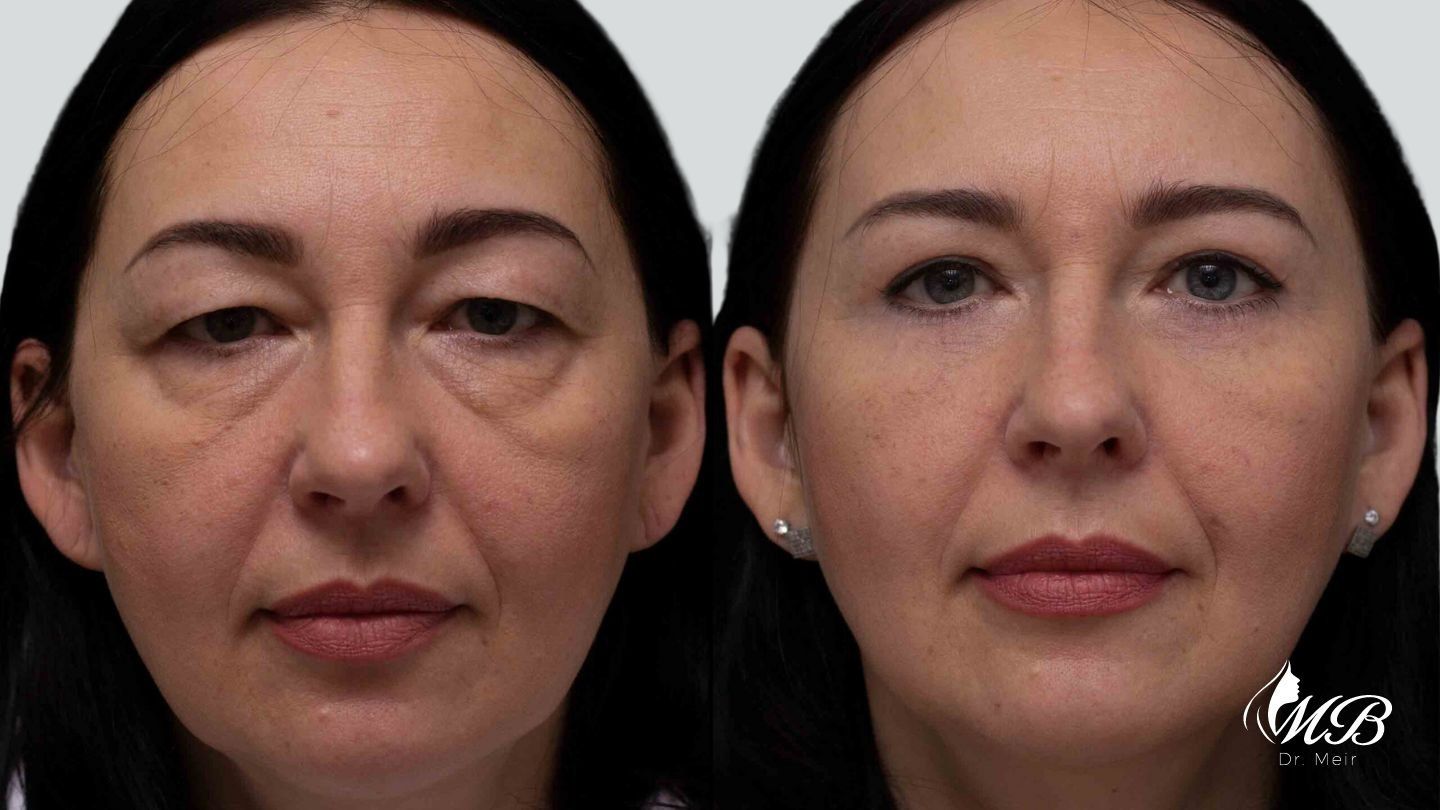
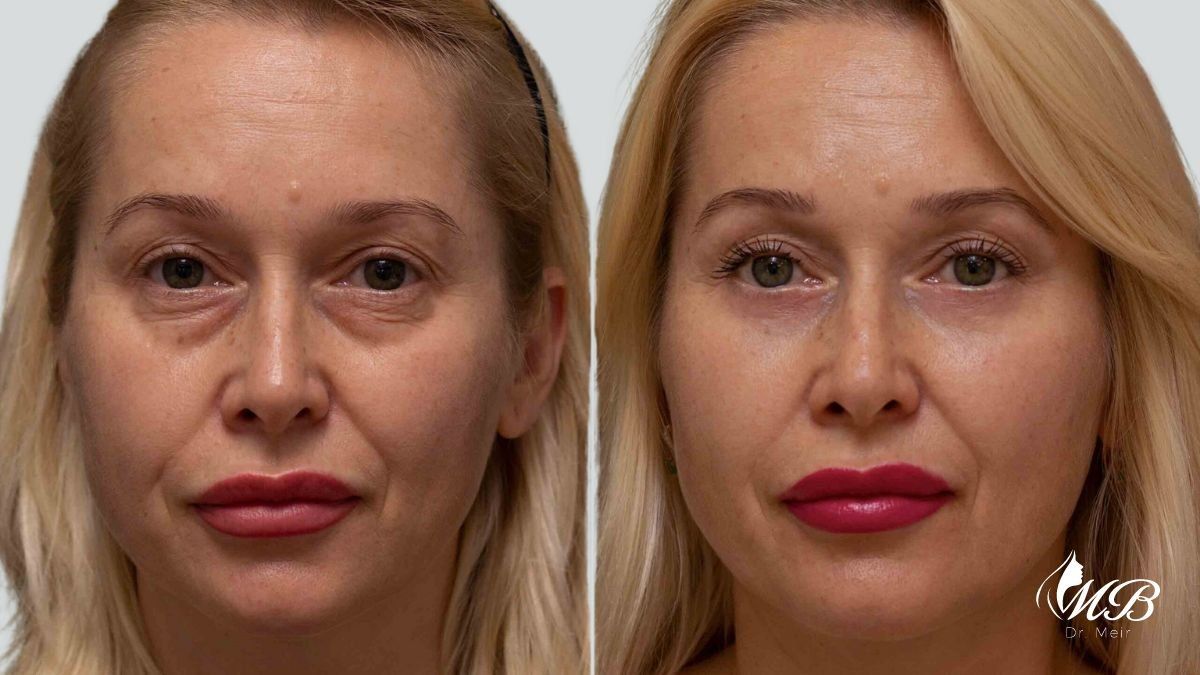
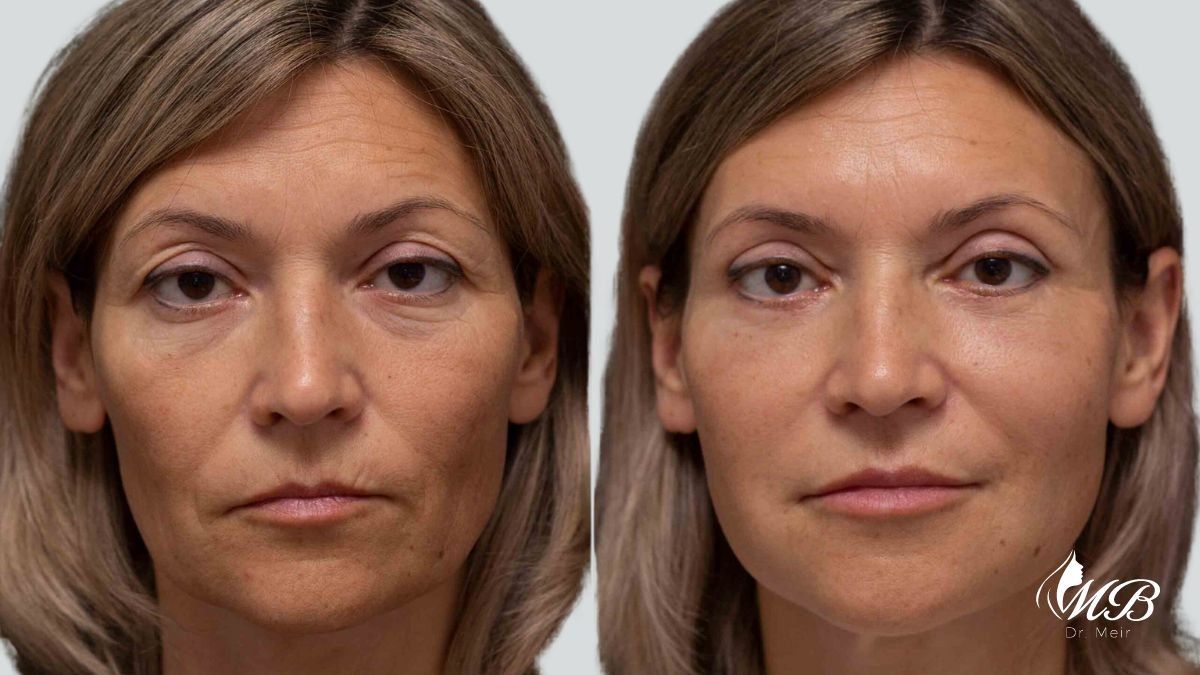
Individual results vary. Photos published with patient consent.
Questions
Can hooded eyelids be lifted without surgery?
Mild hooding from excess skin often improves with NeoGen plasma, Morpheus8 around the brow and a small botox brow lift. A heavy fold that rests on the lashes, or a lid that droops because the muscle is weak, needs surgery.
How long does a non-surgical eyelid lift last?
Botox for the brow lasts about 3 to 4 months. Plasma and energy-based tightening build collagen that holds for one to a few years, depending on age, sun exposure and skin quality. Ageing continues, so most patients plan a maintenance session.
Is plasma eyelid treatment safe for the eyes?
NeoGen delivers nitrogen plasma from a nozzle held 2 to 3 mm above the skin, with no pressure on the eyelid. The eye is protected during the session, and the energy level is set lower on thin lid skin.
What is the recovery after a plasma eyelid treatment?
Expect swelling and a fine brown crust for about 3 to 7 days, depending on the energy used. The crust flakes off by itself. Sunscreen and a bland ointment are used until the new skin settles.
Will a laser remove the bags under my eyes?
Laser and plasma tighten thin, wrinkled skin over the bags. Bulging fat pads stay. If the bag comes from fat, the options are surgery or, in some patients, filler in the tear trough to soften the shadow.
What are the small bumps under my eyes?
Skin-coloured bumps are often syringomas, harmless sweat duct growths. Yellow flat plaques near the inner corner are usually xanthelasma. Both are examined first, because the treatment differs from skin tightening.
Related
Sources: American Academy of Ophthalmology: What is blepharoplasty?; American Academy of Dermatology: Firm sagging skin; DermNet: Syringoma