
What azelaic acid is
Azelaic acid is a dicarboxylic acid made naturally by a yeast that lives on human skin. As a medicine it works through three separate actions: it kills Cutibacterium acnes and normalises the skin cells lining the follicle, it reduces inflammatory signalling and free radicals, and it inhibits tyrosinase, the enzyme behind melanin production.
That combination explains why one cream helps acne, rosacea and pigmentation. It also explains its reputation for sensitive skin, because it treats all three without the dryness of retinoids or the bleaching of benzoyl peroxide.
Strengths and products
- 5% to 10%: cosmetic serums and creams sold without prescription. They suit mild acne, oily skin and gentle brightening, and they are a soft start for sensitive skin.
- 15% gel (Finacea): approved by the FDA for papulopustular rosacea. A light gel that suits oily and combination skin.
- 20% cream (Skinoren): registered for acne and, in many countries, for melasma and pigmentation. A richer cream that suits drier skin.
A higher percentage brings more irritation, and for some goals no extra benefit. Dr. Meir matches the product to the skin type, the area and the condition.
How to use it
- Wash with a gentle cleanser and wait until the skin is fully dry.
- Apply a thin layer over the whole affected area and massage in.
- In the first week, use it once a day. Then move to morning and evening.
- In the morning, finish with sunscreen. On dry skin, add moisturiser on top.
- Keep it away from the eyes, lips and mucous membranes, and off broken or raw skin.
If stinging is strong, drop back to once a day or every second day for a week. Wash your hands after applying, so the cream does not reach your eyes.
Results timeline
- Weeks 1 to 4: possible stinging and itching, which usually fade.
- Weeks 4 to 8: fewer spots in acne, calmer bumps and less redness in rosacea.
- About 12 weeks: full effect on acne and rosacea, clear fading of pigment.
- Beyond 12 weeks: melasma and post-acne marks keep fading with continued use and daily sun protection.
Acne, rosacea and melasma
Acne. Azelaic acid kills acne bacteria, opens comedones and fades the dark marks that inflamed spots leave, which matters for darker skin types. No bacterial resistance to it has been found, so it suits long use. Studies place its effect close to benzoyl peroxide, with less dryness and burning.
Rosacea. The 15% gel reduces bumps and pustules about as well as metronidazole, and it helps with residual redness once the bumps settle. Dr. Meir often prescribes it as the home cream that runs alongside in-clinic treatment for rosacea.
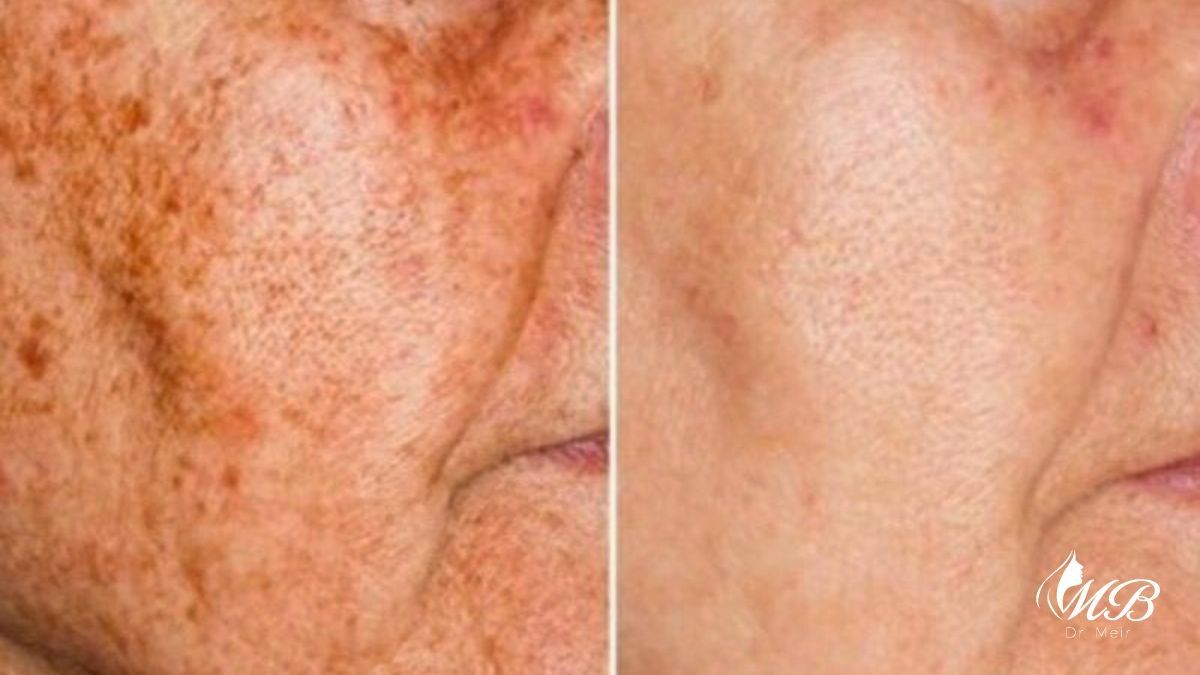
Melasma and pigmentation. Azelaic acid acts mainly on overactive pigment cells and leaves normal skin colour alone. It brightens melasma, sun spots and post-acne marks without the risk of over-lightening.
Note: for melasma, azelaic acid is one part of a plan built on daily sun and visible-light protection. Laser is an add-on only, never the first or only step.
Side effects
The common effects are stinging, burning, itching, dryness and redness, mostly in the first weeks. Rare effects include contact allergy and, in darker skin, patches of lighter skin; tell your doctor if you notice either. Stop and seek advice if you get swelling, a spreading rash or blistering. People with a history of cold sores occasionally report flares around the lips.
Pregnancy and breastfeeding
Only a small fraction of the applied dose passes through the skin. For that reason doctors consider azelaic acid one of the main options for acne, rosacea and melasma in pregnancy and while breastfeeding, when retinoids and hydroquinone are avoided. Check with your doctor before starting, especially if you have another medical condition. When breastfeeding, keep it off the breast area.
Combinations
- Niacinamide: a good pair. Both calm inflammation and fade spots.
- Hyaluronic acid: adds moisture and offsets dryness.
- Vitamin C: strengthens brightening. On sensitive skin use vitamin C in the morning and azelaic acid at night.
- Retinoids (tretinoin, adapalene, retinol): a strong combination for acne and pigment. On sensitive skin, alternate nights.
- Strong AHA or BHA acids: avoid on the same application, because peeling and irritation build up.
- Metronidazole or ivermectin: can run together in rosacea, as part of a plan the doctor sets.
Azelaic acid compared
- Against benzoyl peroxide (acne): similar effect, less dryness and no bleached fabrics.
- Against metronidazole (rosacea): similar effect on bumps, with the extra benefit of fading pigment.
- Against hydroquinone (pigment): gentler and safe for long use and pregnancy, where hydroquinone is limited to short courses.
- Against vitamin C: different mechanisms that complement each other.
Getting the right product
Over-the-counter serums can work for mild cases. Rosacea, melasma and inflammatory acne usually need a prescription strength and a plan around it. Dr. Meir examines the skin, sets the product and the routine, and combines it with other treatment when needed. Consultations at the Holon clinic run in Hebrew, English and Russian, through WhatsApp at 053-566-2287.
Results from the clinic
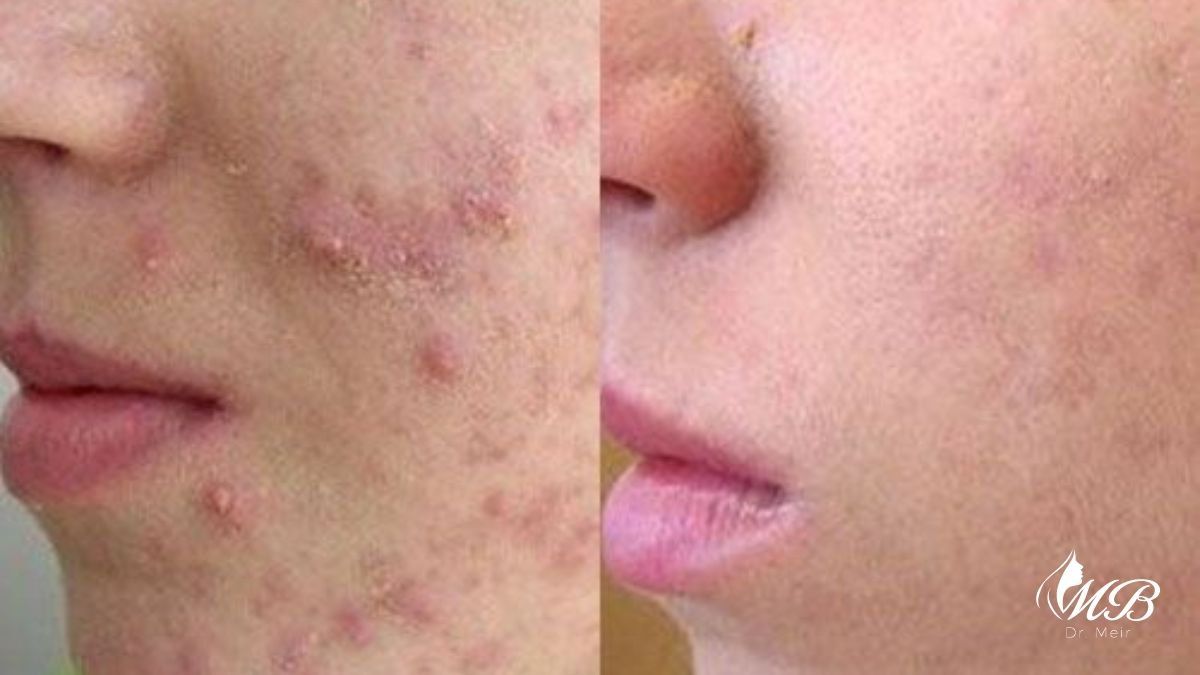
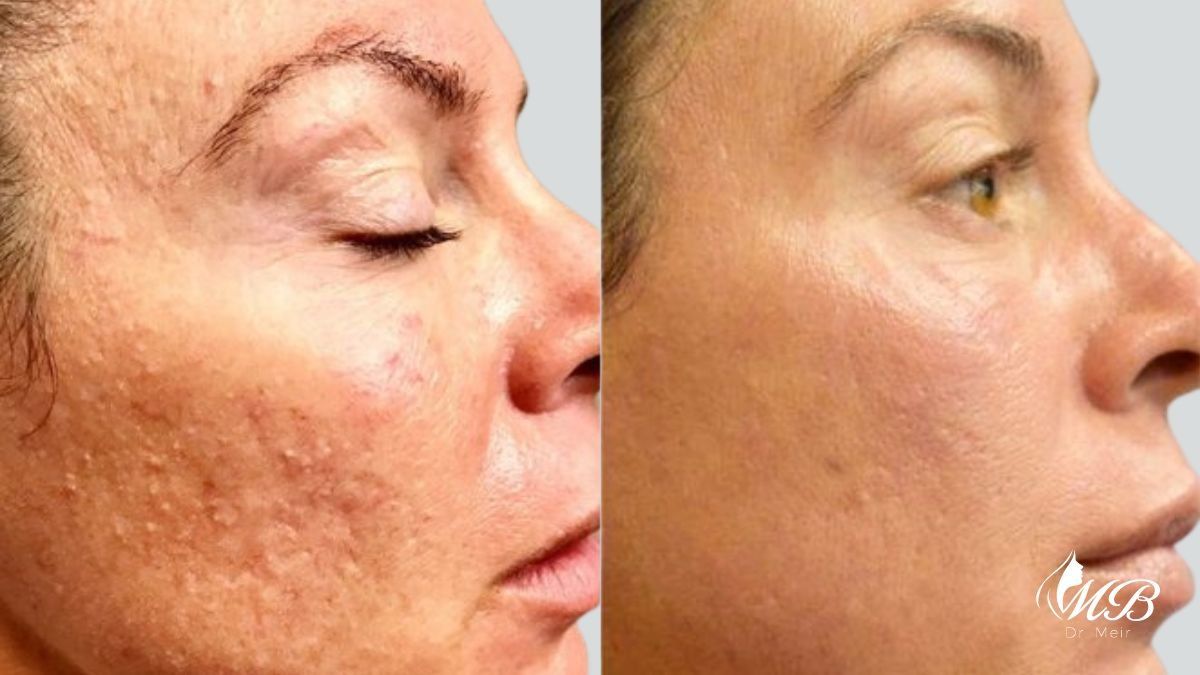
Individual results vary. Photos published with patient consent.
Questions
Is Skinoren the same as azelaic acid?
Yes. Skinoren is a brand of azelaic acid 20% cream. Finacea is a 15% gel. Cosmetic serums contain lower strengths, usually up to 10%.
Does azelaic acid sting?
Many people feel stinging, itching or warmth in the first two to four weeks. It usually fades. Apply on fully dry skin and start once a day to reduce it.
Azelaic acid or hydroquinone for dark spots?
Older trials found 20% azelaic acid comparable to 4% hydroquinone in melasma, with less irritation and none of hydroquinone's risk of ochronosis with long use. It suits long-term maintenance.
Can I use azelaic acid with retinol or tretinoin?
Yes. The pair works well for acne and marks. On sensitive skin, alternate nights so irritation does not add up.
Does azelaic acid make skin sun-sensitive?
Much less than retinoids or acids. Daily sunscreen is still part of the treatment, because sun undoes pigment and rosacea results.
How long can I use it?
For months to years. Bacteria do not develop resistance to it, so it works as maintenance after acne or rosacea calms down.
Related
Sources: DermNet: Azelaic acid; MedlinePlus: Azelaic acid topical; Skinoren 20% cream: Summary of Product Characteristics (eMC)